


The Importance of Laboratory Support in Millet Production

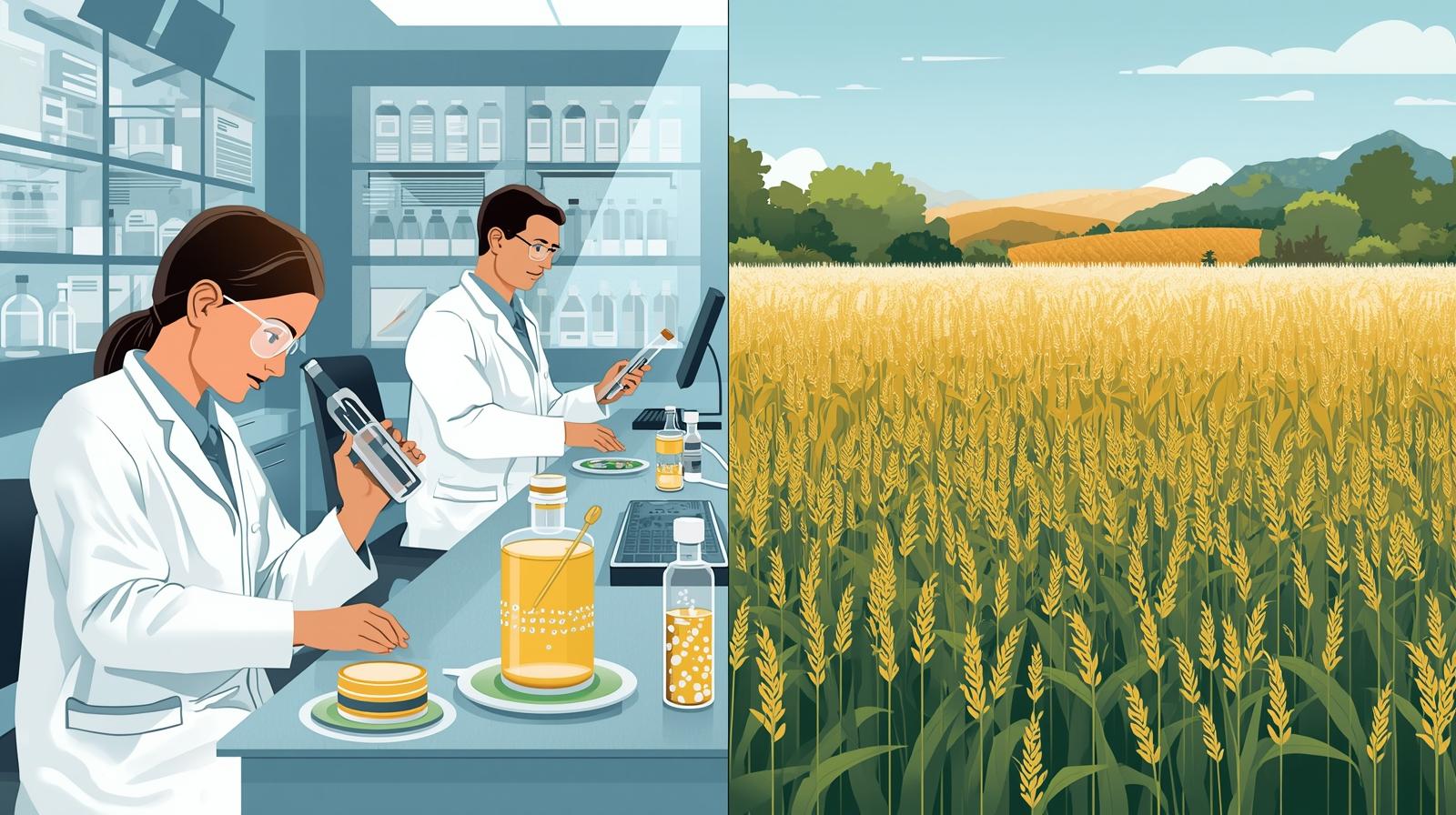
The global rise in demand for millet-based foods has placed a new spotlight on quality, safety, and consistency. Millets are celebrated for their high nutrient content, low glycemic index, and suitability for sustainable agriculture.
But bringing high-quality millet products to consumers is not as simple as harvesting and packaging. Behind every reliable millet product is a systematic scientific process and at the center of this process lies a well-equipped laboratory. A laboratory plays an essential role in bridging the gap between raw millet harvested in the fields and the safe, nutritious products consumers trust. From initial grain evaluation to final product validation, lab analysis ensures that every step of the millet value chain meets stringent quality standards.
The journey begins with the examination of raw millets. Lab testing helps identify issues such as impurities, immature grains, moisture imbalances, and early fungal contamination. Parameters such as moisture content, foreign matter percentage, grain size, and uniformity are critical for determining storage potential and processing outcomes. Early detection prevents spoilage and reduces post-harvest losses. Microbiological tests at the raw stage also help assess risks related to moulds, yeasts, and aflatoxins contaminants that not only damage quality but also pose serious health concerns. Ensuring raw grain safety is the foundation of every high-quality millet product.
As millets undergo cleaning, dehulling, roasting, grinding, extrusion, or baking, quality control becomes even more important. Laboratories monitor processing parameters such as: Nutrient retention, Particle size distribution, Moisture reduction, Roasting temperature uniformity, Microbial safety at each stage.
Every millet product must meet food safety regulations, including FSSAI guidelines. Laboratory tests ensure that products are free from harmful microorganisms such as Salmonella, E. coli, and Staphylococcus aureus. Chemical testing also screens for pesticide residues, heavy metals, adulterants, and oxidative rancidity in millet flour or baked products. Such checks ensure compliance, protect consumer health, and help brands avoid recalls, reputation loss, and regulatory issues.
Consumers buy millet products for their health benefits which is why accurate nutritional labelling is essential. Laboratories perform nutrient profiling for: Protein, Dietary fiber, Minerals like iron, calcium, and magnesium, Carbohydrate and fat content, Antioxidant potential.
A critical part of millet product development is understanding how long the food remains safe and nutritious. Labs conduct shelf-life testing under different environmental conditions to determine: Product stability, Moisture uptake, Microbial growth, Rancidity in fat-containing products, Packaging integrity.
Research-oriented labs support the development of new millet products such as cookies, ready-to-eat snacks, millet noodles, health drinks, instant mixes, and gluten-free alternatives. Lab insights help improve texture, taste, digestibility, and nutrient bioavailability. Innovation backed by science allows millet processors to stand out in a growing functional food industry.
Subscribe for FREE Millet Recipes
+91-6363 54 9009 | mani@momsmillet.com | https://momsmillet.com/